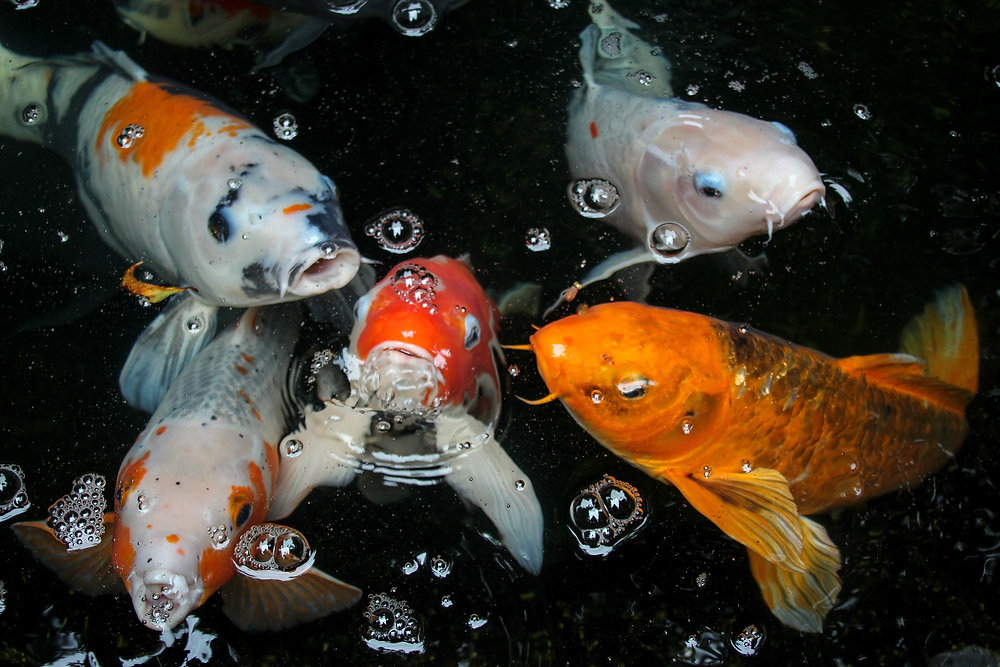
If you are looking for koi fish for sale, it is very important to understand how to properly care for them before bringing them home. Koi fish are not just simple pond fish. They are long-living, colorful, and peaceful animals that need clean water, enough space, and steady care. Many beginners enjoy their beauty, but successful koi keeping starts with learning the basics first. This guide will help you understand everything in a clear and simple way so you can raise healthy koi fish with confidence.
1. Beginner Guide to Koi Fish
What Are Koi Fish?
Koi fish are a type of carp that were first bred in Japan many years ago. Over time, people chose the most colorful fish and carefully bred them to create the bright red, white, black, gold, and orange koi we see today. These fish are now popular in many countries because of their calm nature and beautiful swimming style.
Koi fish are often kept in outdoor ponds where they can grow and live for many years. In good conditions, they can live for decades. Many people also see koi fish as special symbols. In different cultures, they represent good luck, strength, success, and long life. Because of this meaning, they are often kept not only for beauty but also for peace and positive energy in the home.
Different Types of Koi Fish
There are many kinds of koi fish, and each one has its own colors and patterns. You do not need to learn all types at once, but knowing the most common ones will help you choose better when buying koi.
Kohaku
Kohaku koi are white with red markings. They are one of the most popular types because they look clean, simple, and elegant. Many beginners start with Kohaku because they are easy to enjoy and never go out of style.
Sanke (Taisho Sanshoku)
Sanke koi have white, red, and black colors. Their patterns can look different from fish to fish. They are loved because their colors are balanced and pleasing to the eye.
Showa
Showa koi are mostly black with red and white markings. They have strong and bold patterns, which makes them stand out in a pond.
Ogon
Ogon koi are single-colored fish, usually gold or silver. They are shiny and bright, and they reflect light beautifully in the water.
Butterfly Koi
Butterfly koi are known for their long and flowing fins. They can come in many colors and move very gracefully in the water, making them very popular in decorative ponds.
Each type has its own beauty, and many koi ponds mix different kinds to create a more colorful and lively view.
How Big Do Koi Fish Get?
One of the most surprising facts for beginners is how large koi fish can become. When young, they may only be a few inches long, but over time, they can grow very large.
In good conditions, koi fish can reach:
- 12 to 15 inches on average
- Up to 24 inches in many ponds
- Sometimes 30 to 36 inches in ideal conditions
Their growth depends on several important factors:
- Size of the pond
- Water quality
- Food quality
- Temperature
- Overall care
Because koi grow so big, it is very important to plan ahead. A small pond may not be enough once they reach full size. A larger and deeper pond gives them space to swim, grow, and stay healthy.
What Do Koi Fish Eat?
Koi fish are omnivores, which means they eat both plant and animal foods. In nature, they eat algae, insects, and small water creatures. In ponds, they are usually fed special koi pellets that are made to give them balanced nutrition.
A healthy koi diet should include:
Protein
Protein helps koi grow strong and build muscle. Young koi especially need more protein to support fast growth.
Vitamins and Minerals
Vitamins help strengthen the immune system. Vitamin C is very important because it helps protect koi from disease and stress.
Fats and Carbohydrates
These give koi energy, especially during warm months when they are more active.
In addition to pellets, koi also enjoy natural treats such as:
- Lettuce and leafy greens
- Watermelon (small pieces)
- Shrimp
- Worms and insects
However, feeding must be controlled. Only give food they can eat in about 5–10 minutes. Too much food can pollute the water and harm the fish.
2. How to Care for Koi Fish in a Pond
Building the Right Pond
A strong and well-planned pond is the most important part of koi fish care. Without enough space and good water conditions, koi cannot grow properly.
A good beginner koi pond should have:
- At least 1,000 gallons of water or more
- Depth of 3 to 4 feet
- Wide swimming space
- Shade or protection from extreme sun
A deeper pond helps keep the water temperature stable. This protects koi during hot summer days and cold nights. More water also means better stability in water quality.
Filtration and Clean Water
Clean water is the most important factor in keeping koi fish alive and healthy. Koi produce waste every day, and if it is not removed, it can quickly build up and harm the fish.
A good filtration system helps:
- Remove dirt and waste
- Break down harmful chemicals
- Keep water clear
- Support healthy bacteria
Without proper filtration, ammonia and other toxins can rise quickly and make koi sick.
It is also important to regularly test the water. Safe water levels include:
- Ammonia: 0 ppm
- Nitrites: 0 ppm
- Nitrates: below 40 ppm
- pH: 6.8 to 8.4
Keeping water stable is one of the most important parts of koi care.
Oxygen and Water Movement
Koi fish need oxygen in the water to breathe and stay active. If oxygen levels drop, koi can become weak or stressed.
You can increase oxygen by:
- Installing an air pump
- Adding a waterfall or fountain
- Keeping water moving constantly
Warm water holds less oxygen, so oxygen systems are very important during hot weather. A pond with good water movement is healthier and more stable.
Seasonal Care for Koi Fish
Koi fish care changes throughout the year because water temperature affects their body activity.
Spring
- Slowly restart feeding
- Check for signs of illness after winter
- Clean and prepare the pond
Summer
- Feed more often because koi are active
- Watch oxygen levels closely
- Check water quality daily
Fall
- Slowly reduce feeding
- Switch to easier-to-digest food
- Prepare for colder weather
Winter
- Stop feeding when water is very cold
- Keep pond from freezing solid
- Let koi rest as their body slows down
Koi naturally slow down in cold weather, so they do not need much activity or food during winter.
Choosing Healthy Koi Fish
When buying koi fish, always choose healthy ones to avoid problems later.
Healthy koi should have:
- Bright and clear colors
- Smooth and clean skin
- No cuts, wounds, or spots
- Clear eyes
- Active swimming behavior
Avoid fish that look weak, stay at the surface too much, or move slowly. Healthy koi adjust better to new ponds and grow more successfully.
Final Thoughts
Koi fish are one of the most beautiful and peaceful pond fish you can keep. They bring color, movement, and life to any outdoor space. However, they also require proper care, clean water, and enough space to grow.
If you are planning to look for koi fish for sale, make sure you are ready to provide a good pond setup and consistent care. When treated well, koi fish can live for many years and become a long-term part of your home and garden.