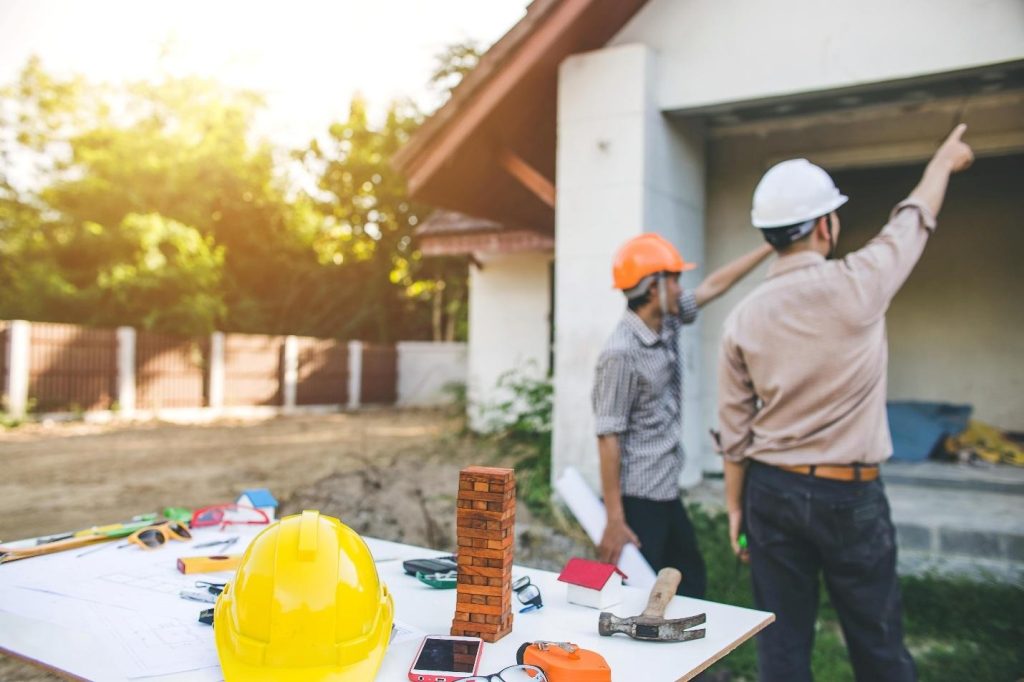
Building a home is one of the biggest financial commitments most people make, and quality control during the build is critical to protecting that investment. Mistakes hidden behind walls or roofing can cost thousands to repair later. Independent construction stage inspections, combined with a professional property inspection approach, help identify defects early, ensure compliance with national standards, and support smooth communication between homeowners, builders, and certifiers.
Across Australia, regulations differ by state. Some require specific inspections by law, while others strongly recommend independent checks. Understanding how inspections work and why they matter can reduce stress, prevent disputes, and keep a project moving without delays.
Why Construction Stage Inspections Matter
A new build includes multiple structural and system elements that must function safely for decades. If problems slip through during early stages, they can become extensive and expensive once covered up. Concrete curing, waterproofing, framing alignment, and electrical or plumbing placement are just a few examples where accuracy is essential.
Construction stage inspections provide:
- Verified alignment with approved plans and engineering requirements
- Quality control checks during critical milestones
- Protection against unexpected costs from concealed problems
- Written evidence for warranty disputes or negotiation
- Peace of mind that the structure is safe and compliant through each property inspection milestone
Independent inspectors act on behalf of the homeowner, ensuring an unbiased review of workmanship and standards.
Common Defects Found During Building Projects
Australian building experts frequently identify recurring issues across residential builds. A review of statewide building complaints shows waterproofing failures as one of the most common and costly problems, followed by structural framing faults and slab preparation errors. According to the Australian Building Codes Board, waterproofing failures alone can result in repair costs exceeding $20,000 depending on the extent of water ingress and tile removal requirements.
Typical construction defects include:
- Incorrect reinforcement placement in concrete slabs
- Inadequate ventilation in roof spaces
- Poorly installed flashings around windows and balconies
- Improper fixing of wall frames causing bowing or misalignment
- Drainage gradients not meeting code
- Incomplete insulation coverage behind plasterboard
- Non-compliant balustrade spacing and fixing
Identifying these issues before plastering or paving prevents hidden damage and protects homeowners long term.
Key Stages Worth Inspecting During a New Build
While every build is different, certain milestones provide the best opportunity to check structural integrity and compliance.
Pre-slab
- Site drainage and soil preparation
- Termite protection
- Correct reinforcement layout
- Plumbing under-slab location and pressure test
Frame
- Wall stud alignment and spacing
- Roof truss connection and tie-downs
- Window and door openings
- Load-bearing compliance with engineering plans
Lock-up
- External cladding installation
- Roof completion and flashing
- Waterproof membranes
- Window installation and sealing
Pre-handover
- Internal finishes quality
- Appliances and fixtures
- Doors, windows, and hardware
- Plumbing and electrical function tests
Even if a builder provides their own supervisor, independent oversight adds an extra level of assurance to the process.
Regulations Differ Between States
Regulatory requirements aren’t the same nationwide. Understanding state variations supports informed planning and realistic expectations.
For example, Queensland has specific rules that govern certification and compliance processes for residential construction. Homeowners looking for clearer detail on what the state requires can review a comprehensive overview of Queensland building regulations and inspection responsibilities, which covers key checkpoints, contractor obligations, and certification standards. The insights in that guide highlight how important it is for homeowners to be involved and knowledgeable throughout the building process.
This reinforces why consistent inspection practices benefit owners regardless of location or legislated minimums.
How Independent Inspections Reduce Build Disputes
Build disputes often arise when expectations and outcomes don’t align. Photos, written reports, and documented findings during construction stages offer clear evidence that supports resolution.
Inspections help:
- Maintain transparency between parties
- Support negotiation without conflict
- Reduce risk of significant rectification at handover
- Provide legal documentation if required
Industry data suggests that early-stage defect identification reduces dispute frequency significantly compared to when problems are discovered post-handover.
Choosing a Qualified Construction Inspector
Industry experience and technical qualifications matter when hiring an inspector who understands the Australian Building Code and state-based requirements.
Look for:
- Building or engineering credentials
- Experience in residential construction
- Understanding of NCC and state standards
- Ability to summarize findings clearly without jargon
- Unbiased, independent positioning without builder affiliation
Many Australian homeowners also choose regionally specialized inspectors who understand local soil types, weather challenges, and subcontractor trends. For example, homeowners building in Victoria can request independent building inspections to support every stage of their project.
Questions Homeowners Often Ask
Are inspections legally required?
Requirements vary by state. In most cases, certain stages are mandatory for certification purposes, but independent inspections are optional although strongly recommended for quality assurance.
Do builders allow independent inspections?
Most reputable builders welcome third-party checks because they support quality control. If a contract restricts access, this should raise immediate concern.
Can inspections slow down a build?
Inspections typically fit within standard scheduling and prevent delays later caused by rework or compliance failures.
Are inspections useful for renovations?
Yes. Structural updates, extensions, and waterproofing upgrades all benefit from staged checks.
Signs an Inspection is Needed Immediately
Some homeowners only consider inspections once they suspect an issue. Warning signals include:
- Repeated communication delays from the builder
- Inconsistent or unfinished work between visits
- Materials stored incorrectly or exposed to weather
- Visual evidence of cracking or uneven surfaces
- Sudden price variations or plan changes
Independent inspections provide clarity and support better decision-making before problems escalate.
Construction Stage Inspections Protect Long-Term Value
A home built with quality craftsmanship and documented verification retains higher resale value. Buyers increasingly request evidence of build quality, and inspection records act like a service history for a car, providing care throughout its construction.
In a market where reputation matters, more homeowners are choosing to take an active role in quality control. It reduces financial risk, improves communication, and supports accountability.
Building a home should feel exciting, not stressful. Knowledge, transparency, and well-timed inspections create confidence from slab to keys.
Final Thought
Strong foundations create strong homes. Independent inspections give homeowners control, clarity, and security through every build stage. If your project is underway or about to begin, planning staged inspections creates a smoother journey and protects your investment from hidden surprises.
Ready to build with confidence? Explore independent inspection options and connect early in your project timeline to ensure a safer and more transparent construction experience.