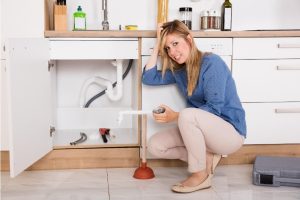
Plumbing safety is an essential part of maintaining a healthy and secure household. While many homeowners focus on visible repairs, hidden plumbing risks can quietly cause damage, increase expenses, and even pose health hazards. Understanding basic plumbing safety practices helps protect your property, your family, and your peace of mind.
Know Where Your Main Water Shutoff Is
One of the most important plumbing safety steps is knowing the location of your main water shutoff valve. In the event of a burst pipe, overflowing fixture, or major leak, shutting off the water quickly can prevent extensive damage. Every adult in the household should know how to turn the valve off and on. This simple knowledge can save thousands of dollars in repairs and reduce the risk of structural damage.
Watch for Early Warning Signs of Leaks
Small leaks often go unnoticed until they turn into serious problems. Signs such as damp walls, musty odors, water stains on ceilings, or unexplained increases in water bills should never be ignored. Addressing these issues early helps prevent mold growth, wood rot, and electrical hazards. When leaks worsen suddenly, situations like a flooded kitchen may require immediate professional help, especially when searching for a reliable Flooded kitchen plumber Houston during emergencies.
Practice Safe Drain Usage
Many issues with drainage begin when drains are not used correctly. You should never flush or wash grease, food scraps, wipes, or hygiene items down the toilet or sink. These materials can clog pipes and cause backups that make places where people live dirty. Putting drain strainers in sinks and showers helps keep debris out of the water system. Following safe drain habits lowers the risk of rapid overflows that can be unsafe and unhygienic.
Maintain Water Heaters Carefully
Water heaters are often overlooked until something goes wrong. It can be very dangerous for children and older people if the water heater temperature is set too high because they can get burned. The recommended setting is around one hundred twenty degrees Fahrenheit. Regular inspections also help detect leaks or pressure issues that could lead to system failure. A properly maintained water heater supports both safety and energy efficiency.
Protect Pipes From Temperature Extremes
Temperature changes can significantly impact plumbing systems. Pipes that aren’t covered can freeze in the winter, which can make them crack or burst. Insulating pipes in attics, garages, and exterior walls helps prevent cold-related damage. In warmer climates, excessive heat can also weaken aging pipes over time. Taking preventive steps protects your home from unexpected water damage year-round.
Keep Plumbing Clear of Electrical Risks
Water and electricity are a dangerous combination. Plumbing leaks near electrical outlets, appliances, or wiring should be addressed immediately. Never attempt plumbing repairs near electrical sources without proper safety measures. If water reaches electrical systems, shut off power at the breaker and contact professionals. Preventing this type of risk is critical for protecting your family from shocks and fire hazards.
Schedule Routine Plumbing Inspections
Routine plumbing inspections help identify hidden risks before they become emergencies. Professional plumbers can spot corroded pipes, failing joints, and pressure issues that homeowners may overlook. Regular repair makes your plumbing system safer and helps it last longer. Preventive inspections reduce the likelihood of sudden breakdowns that disrupt daily life.
Educate Your Family on Plumbing Safety
Plumbing safety is a shared responsibility. Teaching children not to flush objects, explaining the importance of reporting leaks, and encouraging awareness of unusual sounds or smells can make a big difference. When everyone in the household understands basic plumbing safety, problems are detected sooner and handled more responsibly.
Conclusion
Plumbing safety is very important for keeping your home and family safe. Knowing how to turn off the water and taking care of fixtures and lines are some small steps that can keep you from getting seriously hurt or damaging your home. A safer living space and long-term peace of mind are guaranteed by being proactive, adopting safe habits, and dealing with problems right away.