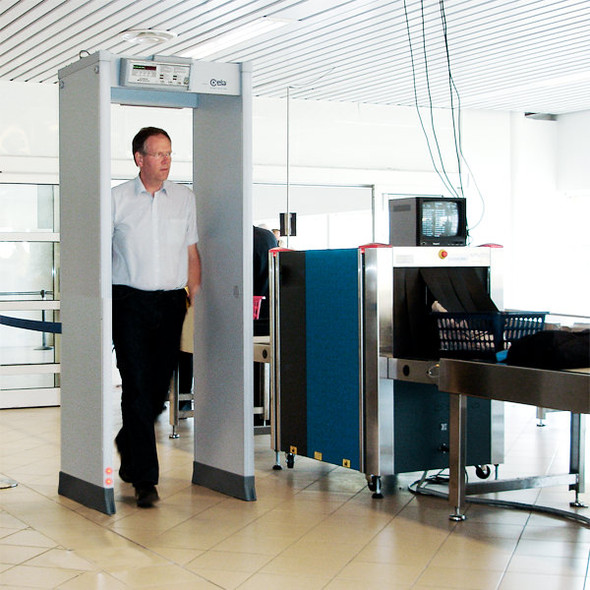

Coordinating security metal detector rental with event security teams is a critical part of ensuring a safe and efficient screening process at any event. Proper collaboration between rental providers and security personnel helps optimize equipment use, minimize delays, and maintain a secure environment for attendees. This article outlines essential steps to successfully integrate metal detector rentals into your event security plan.
Establish Clear Communication Channels
Effective coordination begins with establishing clear communication among all stakeholders involved. Event organizers should facilitate introductions between the rental company representatives and the security team well before the event. This helps clarify roles, expectations, and responsibilities related to metal detector use.
Setting up regular meetings or briefings allows for discussing logistics, potential challenges, and contingency plans. Having direct lines of communication ensures quick resolution of issues during event setup and operations.
Understand the Event’s Security Requirements
The security team must provide detailed information about the event’s risk profile, expected attendance, entry points, and any special considerations. This information guides the rental provider in delivering appropriate metal detector models and quantities.
In turn, the rental company can advise on equipment capabilities, setup requirements, and best practices. A shared understanding between both parties aligns expectations and facilitates efficient planning.
Coordinate Equipment Delivery and Setup Timing
Timing is crucial when coordinating metal detector rentals with security teams. Confirm delivery and installation schedules to ensure detectors are set up well before attendee arrival. Early installation allows time for calibration and testing, minimizing last-minute problems.
Security personnel should be present during setup to observe and provide input on placement, accessibility, and power sources. Collaborative setup ensures detectors function optimally within the venue’s layout and security workflow.
Train Security Staff on Equipment Operation
Proper training of security staff on metal detector operation is essential for smooth screening processes. Rental companies often offer training sessions that cover equipment functions, alarm interpretation, sensitivity adjustment, and troubleshooting.
Coordinate these sessions so all relevant security personnel attend and receive consistent instructions. Well-trained staff can respond quickly to alarms, conduct efficient secondary searches, and minimize false positives, improving throughput and safety.
Develop Standard Operating Procedures (SOPs)
Work together to establish clear SOPs that integrate metal detector use into overall security protocols. Define steps for initial screening, handling alarm triggers, secondary searches, and dealing with non-compliant attendees.
Document these procedures and distribute them among the security team to ensure everyone understands their role and responsibilities. Consistent application of SOPs enhances professionalism and reduces confusion during busy periods.
Implement Effective Crowd Management Strategies
Coordinating with security teams to manage crowd flow around metal detectors is vital for preventing bottlenecks. Security staff should guide attendees into orderly lines, assist with preparation (e.g., removing belts or metal items), and provide clear instructions.
Plan for sufficient staffing levels at screening points to handle peak arrival times and assist with secondary checks. Good crowd management reduces wait times and improves the overall attendee experience.
Maintain Ongoing Communication During the Event
During the event, maintain open communication between security personnel and rental provider representatives or technical support teams. This allows for prompt reporting and resolution of equipment issues or operational concerns.
Regular check-ins enable adjustments to sensitivity settings or staffing as needed based on crowd behavior and alarm frequency. Proactive management helps maintain screening efficiency and security integrity.
Plan for Contingencies and Backup Measures
Despite careful planning, unexpected situations can arise, such as equipment malfunctions or sudden crowd surges. Coordinate with security teams to have contingency plans in place, including backup handheld metal detectors or manual screening protocols.
Ensure that all involved personnel are aware of these plans and can quickly implement them to avoid security gaps or disruptions. Flexibility and preparedness are key to maintaining order.
Conduct Post-Event Debriefings
After the event, hold a debriefing session with the security team and rental provider to review how metal detector operations performed. Discuss what went well, challenges encountered, and areas for improvement.
Gathering feedback supports continuous enhancement of security procedures and equipment coordination for future events. Documentation of lessons learned helps refine planning and training efforts.
Summary
Coordinating security metal detector rentals with event security teams requires clear communication, thorough planning, and ongoing collaboration. By understanding event needs, scheduling timely setup, providing proper training, and developing consistent procedures, organizers can integrate metal detectors seamlessly into security operations.
Effective crowd management and contingency planning further support smooth screening processes and attendee safety. Finally, reviewing performance post-event fosters continuous improvement, helping events run securely and efficiently each time.