Introduction
Both stamped and plain concrete provide an excellent look when making a foundation. But before making a decision, consult a brilliant concrete builder who can assess your characteristics, discuss your aims, and recommend the most suitable alternative for your project.
Here’s a closer examination of apparent concrete and plain concrete to help you make a good decision.
What Is Plain Concrete?
It may contain plain finishing patterns such as broom finishing for revised friction or a polished finish for a shiny appearance. You can also contact BSR Renovations concrete contractor in Tracy for more advice.
Plain concrete is widely used for:
1. Driveways
2. Sidewalks
3. Garage floors
4. Warehouse floors
5. Foundations
6. Patios
7. Utility fields
Its natural image makes it a practical choice for projects where function is the basic concern.
What Is Stamped Concrete?
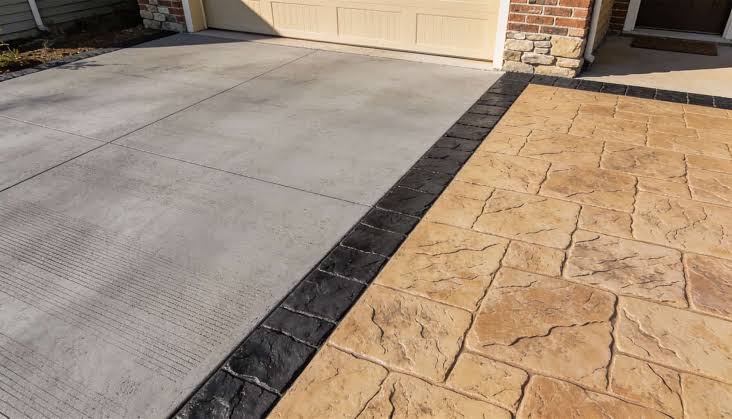
Stamped concrete is beautifying concrete, namely textured and copied before it completely hardens. Special stamping mats construct the image of premium elements like:
1. Natural stone
2. Brick
3. Slate
4. Tile
5. Wood planks
6. Cobblestone
Key Differences
1. Appearance and Design Options
Plain Concrete
Plain concrete supports a clean, minimalist look that suits many residential and monetary requests. While basic finishes are free, decorative alternatives are limited except that additional positions are applied later.
Stamped Concrete
Stamped concrete offers considerably more design flexibility. Homeowners can pick from a wide range of colors and patterns to complement their property’s fundamental style and landscaping.
If designing an eye-catching outdoor room with experts like BSR Renovations Tracy is a priority, stamped concrete offers far more customization options.
2. Cost Comparison
Budget frequently plays a big part in selecting a concrete finish. Plain concrete is generally the more reasonable option because it requires fewer components, less labour, and a simpler installation process.
Stamped concrete frequently costs more on account of:
- Decorative colouring
- Pattern stamping
- Additional perfecting work
- Skilled installation methods
Although the straightforward investment is higher, many property owners find the improved presentation well worth the supplementary cost.
3. Durability
Both stamped and plain concrete are highly enduring when installed correctly by a knowledgeable concrete construction worker.
- Soil skill
- Concrete mix characteristics
- Reinforcement
- Weather environments
- Drainage
- Proper curing
4. Maintenance Process
Plain Concrete
Maintenance is nearly simple and mostly includes:
- Cleaning soil and waste
- Sealing every few years
- Repairing minor cracks
- Removing stains when necessary
Stamped Concrete
According to BSR Renovations, stamped concrete requires comparable maintenance but may need more periodic sealing to continue its colour and decorative finish.
Regular sealing helps protect against:
- Moisture infiltration
- UV fading
- Oil stains
- Surface wear
With decent care, stamped concrete can maintain an appealing presence for many years.
5. Slip Resistance
Plain concrete done with a broom pattern supports excellent slip resistance. Discuss security necessities with your builder before choosing a finish.
6. Repair Considerations
Over time, all concrete may develop cracks due to weather changes, ground movement, or severe use. Plain concrete is generally smooth and less expensive to repair cause matching the original finish is rather straightforward.
Repairs to stamped concrete may be more challenging. Matching existing colors and patterns demands specialized skills, and repairs may still be costly depending on the damage.
Conclusion
With decent installation by experts like BSR Renovations, either stamped concrete or plain concrete can provide a trustworthy and appealing surface that reinforces your property for many years to come.