Choosing an awning in Singapore requires consideration of the property type, area requiring shelter, weather exposure, material, design and installation conditions. Residential and commercial properties can have different requirements, so the appropriate awning should be selected according to how the outdoor space will actually be used.
An awning can provide shade or shelter over entrances, windows, patios, walkways and other outdoor areas. The appropriate configuration depends on factors such as the amount of coverage required, whether the shelter should be fixed or adjustable, the surrounding structure and exposure to Singapore’s tropical weather.
Understanding these specific requirements before selecting an awning helps property owners compare available solutions more effectively.
Start with the Purpose of the Awning
The purpose of an awning determines the type of coverage, material and structure that should be considered. A property that requires permanent rain protection has different requirements from an outdoor area that mainly needs adjustable shade.
Some awnings are installed primarily to provide shelter from rainfall. Others help manage direct sunlight over windows, entrances or usable outdoor areas. An awning may also form part of the architectural appearance of a residential or commercial property.
Common requirements include:
- Providing shade over an outdoor area
- Protecting entrances or walkways from rainfall
- Creating a more usable patio or outdoor space
- Reducing direct sunlight around selected openings
- Providing fixed or adjustable overhead shelter
Defining the intended function first prevents the selection process from being based only on appearance.
Residential and Commercial Properties Have Different Requirements
Residential and commercial awnings perform similar shelter functions, but the scale, usage and design requirements can differ. Property owners should consider how frequently the sheltered area is used and who will use it.
For residential properties, awnings may be considered for patios, entrances, windows, balconies and other outdoor areas. The design often needs to complement the existing façade while providing practical shelter for household activities.
Commercial properties may require coverage for entrances, walkways, outdoor customer areas or operational spaces. These installations may involve larger areas or more frequent use, depending on the nature of the property.
An awning contractor in Singapore should therefore assess the application rather than assuming that the same configuration is appropriate for residential and commercial projects.
Understand the Main Types of Awning Solutions
Awning types differ according to their structure, material and whether the shelter is fixed or adjustable. Understanding these differences helps property owners narrow down suitable options before discussing detailed specifications.
Fixed awnings remain in position and provide continuous coverage over the designated area. They may be considered where permanent shelter is required.
Retractable awnings can be extended or retracted according to the user’s needs. They are commonly considered where flexible shade is preferred and the outdoor area does not require permanent overhead coverage at all times.
Material-based solutions can include polycarbonate, aluminium composite panels and aluminium fluted panels. Each material has different characteristics, so the decision should be based on the installation environment, required appearance and intended function.
Compare Fixed and Retractable Shelter Based on Usage
Fixed and retractable awnings address different outdoor-space requirements. The better option depends on whether continuous coverage or flexible control is more important for the property.
A fixed structure can be appropriate where an entrance, walkway or outdoor area requires consistent shelter. Because the structure remains in place, the design should account for drainage, surrounding architecture and long-term exposure to outdoor conditions.
A retractable system allows the covered area to be adjusted. This can be useful for patios and other spaces where occupants may want shade at certain times while retaining an open outdoor environment at others.
Automatic awning systems can also provide motorised operation where applicable. The decision between fixed, manual retractable and automatic systems should be based on actual usage requirements rather than selecting the most complex system available.
Select Awning Materials According to the Application
Awning materials affect appearance, light transmission, maintenance and suitability for different applications. No single material is automatically appropriate for every residential or commercial installation.
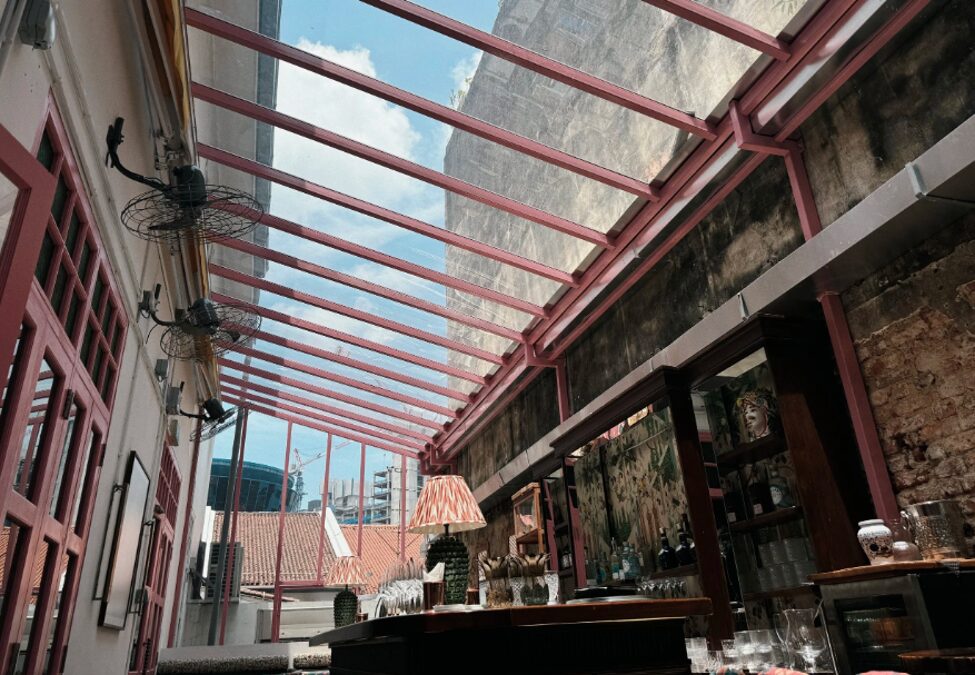
Polycarbonate is used for outdoor shelter applications where light transmission may be desirable. The exact performance depends on the polycarbonate product, specifications and installation design.
Aluminium composite panels create an opaque covering and provide a different visual result. They can be considered for applications where solid overhead coverage and a panel-based architectural appearance are required.
Aluminium fluted panels provide another architectural option with a distinctive linear surface. The suitability of any material should be confirmed according to the property, structural design and actual product specifications.
Consider Shade and Natural Light Together
An awning changes the way sunlight reaches the covered area, so shade and natural light should be considered together. The required balance depends on the purpose of the space and the selected material.
A patio may benefit from reducing direct sunlight while retaining a comfortable level of daylight. An entrance or walkway may have different priorities, particularly where protection from rainfall is the main requirement.
Opaque materials and light-transmitting materials create different conditions beneath the awning. Property owners should therefore consider whether they want stronger overhead shading, greater natural-light transmission or a balance between the two.
Material samples and actual project examples can help illustrate these differences before a final selection is made.
Singapore’s Climate Should Influence Awning Selection
Singapore’s tropical climate makes rainfall, sunlight, heat and humidity relevant considerations for outdoor awning design. The installation should be planned for the conditions experienced at the specific property.
Rainfall management is particularly important. An awning should not simply cover an area; the overall design should also consider how rainwater moves away from the sheltered space.
Direct sunlight can influence the amount of shade required and the choice of material. The orientation of the property and the time of day when sunlight reaches the area can affect the practical performance of the shelter.
Humidity and regular outdoor exposure also make appropriate materials and maintenance important. Product-specific performance claims should always be checked against the specifications of the material being considered.
Drainage Is Part of Effective Awning Design
Drainage is an important part of an awning installation because the structure changes how rainwater reaches the property. Water needs to be directed appropriately rather than allowed to collect or discharge into unsuitable areas.
The required drainage approach depends on the awning design, roof form, installation location and surrounding structure. Larger covered areas may have different requirements from smaller entrance shelters.
During site assessment, an awning contractor can review how rainfall currently moves around the property and how the proposed shelter may affect that movement.
Drainage planning should therefore form part of the design stage rather than being treated as an issue only after installation.
Integrate the Awning with the Existing Property Design
An awning should function as part of the property rather than appearing as an unrelated addition. Its dimensions, material and form can influence the appearance of the façade and outdoor space.
Residential properties may require the awning to work with existing architectural lines, windows, doors and exterior finishes. Commercial properties may also need the shelter to maintain a consistent appearance across entrances or customer-facing areas.
Colour and surface finish can affect how prominent the awning appears. Structural proportions are equally important because an oversized or undersized covering may not suit the scale of the area.
Practical requirements should remain the priority, but they can be considered alongside the property’s architectural character.
Site Assessment Helps Identify Installation Constraints
A site assessment establishes whether the proposed awning can be installed appropriately in the intended location. Measurements alone may not identify every condition that affects the installation.
The existing structure, mounting location, available clearance and surrounding features should be reviewed. Drainage routes and the intended coverage area may also influence the design.
A typical assessment may consider:
- Dimensions of the proposed coverage area
- Existing walls, supports or mounting surfaces
- Doors, windows and surrounding obstructions
- Rainwater movement and drainage
- Access required for installation and maintenance
These details help translate the initial idea into an awning configuration that responds to the actual property.
Understand the Awning Installation Process
Awning installation generally involves assessment, specification, preparation and installation rather than simply attaching a completed product to a building. The exact process depends on the awning type and site conditions.
The initial stage establishes the required coverage and assesses the installation area. Measurements can then be used to determine the appropriate dimensions and configuration.
Material, design and operating requirements should be confirmed before fabrication or product preparation begins. The installation stage then needs to follow the planned mounting and structural arrangement.
A final review should confirm that the awning operates as intended where moving components are involved and that the completed installation reflects the agreed configuration.
Maintenance Requirements Should Be Considered Before Installation
Awning maintenance depends on the material, structure and operating system. Understanding these requirements before installation helps property owners select a solution that can be maintained appropriately.
Fixed panel systems may require routine cleaning and inspection for debris or visible deterioration. Drainage areas should also remain clear so rainwater can move away as intended.
Retractable awnings include moving components and may have different care requirements. Motorised systems can introduce additional components that should be maintained according to the relevant product guidance.
An awning company in Singapore should be able to explain the maintenance requirements associated with the particular solution being proposed.
Compare Awning Options Using Consistent Criteria
Awning options are easier to evaluate when property owners compare them using the same practical criteria. This avoids choosing a solution based on one feature while overlooking other installation requirements.
Useful criteria include:
- Intended use and required coverage
- Fixed or adjustable shelter
- Material characteristics
- Natural-light and shade requirements
- Rainfall and drainage considerations
- Installation and maintenance requirements
The final decision should reflect the overall requirements of the space rather than one characteristic in isolation.
Frequently Asked Questions (FAQs)
What type of awning is suitable for a residential property in Singapore?
The appropriate awning depends on the area requiring shelter, the amount of shade or rain protection needed and the property’s structure. Fixed, retractable, polycarbonate, composite and other solutions can address different applications, so a site-specific assessment is useful.
What is the difference between a fixed and retractable awning?
A fixed awning remains in position and provides continuous overhead coverage. A retractable awning can be extended or retracted, making it suitable for spaces where adjustable shade or coverage is preferred.
Which awning material should I choose?
The appropriate material depends on the required appearance, light transmission, shelter function, installation environment and maintenance expectations. Polycarbonate, aluminium composite panels and aluminium fluted panels have different characteristics and should be evaluated according to the application.
Why is site assessment important before awning installation?
A site assessment identifies measurements, mounting conditions, surrounding structures, drainage considerations and other installation constraints. These factors help determine whether the proposed awning configuration is appropriate for the property.
Do awnings require regular maintenance?
Awnings generally require periodic cleaning and inspection, although the exact maintenance depends on the material and system. Drainage areas, surfaces and moving components should be maintained according to the requirements of the installed product.
Creating an Awning Solution Around the Property
Choosing an awning in Singapore is most effective when the process starts with the property’s actual shelter requirements. The type of space, required coverage, material, sunlight, rainfall, drainage, design and maintenance all influence the appropriate solution.
Residential and commercial properties should not automatically receive the same awning configuration. Assessing the site and comparing available options according to consistent practical criteria helps ensure that the selected awning complements the property and its intended use.
Plan an Awning for Your Property
Property owners who are evaluating an awning can discuss the installation area, intended coverage, material options and site requirements with Moonlight Pte Ltd. before deciding on a configuration.
For project-specific information and an assessment of the available awning options, contact Moonlight Pte Ltd. with details of the property and intended application.