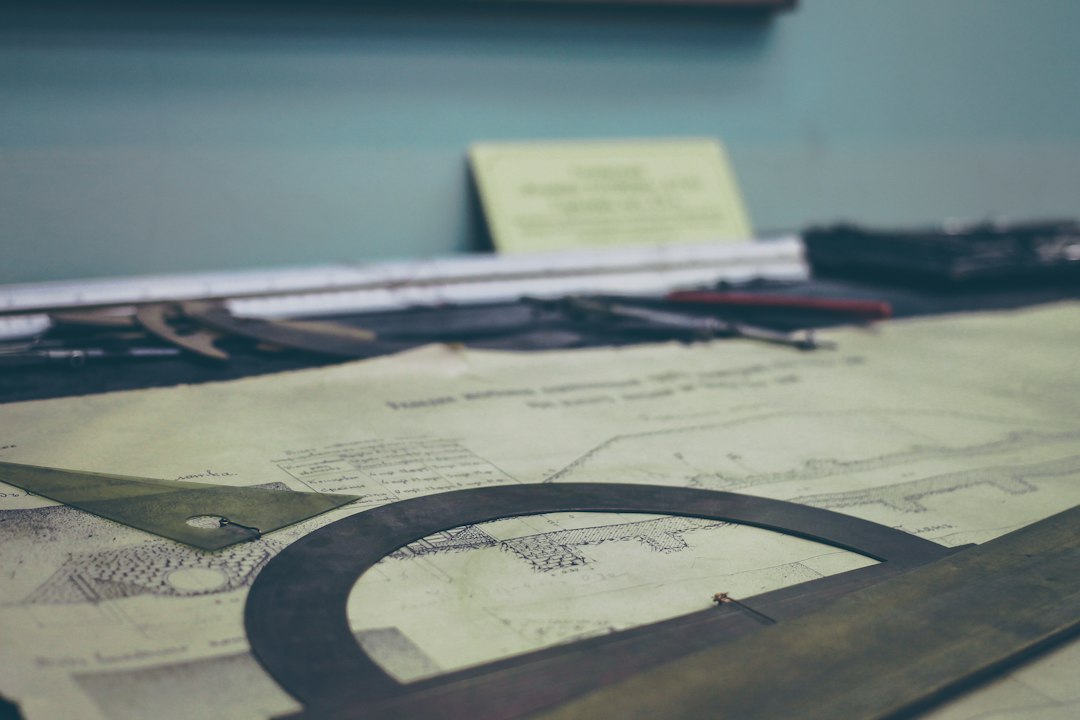
Property development involves decisions that can influence a project long after construction is complete. Experience can make those decisions more considered by bringing together practical knowledge, industry awareness, and an understanding of how different project elements interact. Danny Hanna provides an example of how professional experience can shape a thoughtful approach to property development, particularly when construction knowledge, design priorities, and commercial objectives need to work together.
Contents
- What does experience bring to property development?
- How does practical knowledge improve project planning?
- Why is decision-making important in development?
- How can experience influence design quality?
- What can developers learn from working across property sectors?
- How does experience support innovation?
- Why are relationships important to an experienced developer?
- What is the biggest lesson experience offers?
- How can these lessons shape future property projects?
- Conclusion
What does experience bring to property development?
Experience provides perspective. Developers encounter different sites, project requirements, construction conditions, and market expectations throughout their careers. Each situation can contribute to a stronger understanding of how to evaluate opportunities and plan effectively.
This knowledge can help professionals approach new projects with greater clarity. Instead of relying on a single solution, experienced developers can consider multiple factors before establishing the direction of a project.
How does practical knowledge improve project planning?
Planning is one of the most important stages of development because early decisions can influence the entire project. Practical construction knowledge can help identify considerations that may otherwise become challenges during delivery.
Understanding how design, site conditions, materials, infrastructure, and construction processes connect can support more realistic planning. This creates a stronger foundation before a project moves into its later stages.
Why is decision-making important in development?
Property development involves numerous decisions, from selecting an appropriate concept to determining how a site should ultimately function. Good decision-making requires more than immediate opportunity; it requires consideration of how individual choices affect the wider project.
Experience can strengthen this process by helping professionals recognise important details and evaluate potential outcomes. A measured approach can make it easier to balance creativity with practicality.
How can experience influence design quality?
Design is central to the identity and usefulness of a property. However, effective design also needs to respond to practical requirements.
An experienced development perspective can bring design and delivery closer together. Attention to functionality, usability, construction requirements, and long-term performance can help create properties that are visually considered while remaining practical for their intended purpose.
What can developers learn from working across property sectors?
Different property sectors require different approaches. Residential developments are shaped by lifestyle and usability, while commercial and industrial projects often have distinct operational requirements.
Exposure to multiple sectors can broaden a developer’s perspective. It encourages an understanding that successful property development is not based on a universal formula. Instead, each project benefits from an approach tailored to its purpose, location, users, and surrounding environment.
How does experience support innovation?
Innovation is often most effective when combined with a strong understanding of fundamentals. Professionals with substantial industry knowledge can introduce new ideas while recognising the practical requirements that need to be maintained.
This balance allows innovation to become purposeful rather than simply following trends. New approaches can be considered in relation to design, construction, efficiency, functionality, and the long-term needs of a development.
Why are relationships important to an experienced developer?
Property development involves collaboration between many disciplines. Architects, engineers, construction teams, consultants, planners, contractors, and other professionals all contribute to the final outcome.
Experience can help a developer understand the role each participant plays and encourage effective communication throughout the process. Strong professional relationships can support coordination, improve project efficiency, and create a positive working environment.
What is the biggest lesson experience offers?
One of the most valuable lessons is that successful development is built through a series of informed decisions rather than one defining moment. Attention to detail, practical understanding, adaptability, and a commitment to quality can collectively influence the outcome.
Experience also encourages continuous learning. Every project can provide another opportunity to refine processes, understand changing expectations, and identify better ways of approaching future developments.
How can these lessons shape future property projects?
The property sector continues to evolve, making adaptability increasingly important. Experienced professionals can use established knowledge as a foundation while remaining open to changing technologies, design concepts, construction practices, and market needs.
This combination of knowledge and openness can support development strategies that are both grounded and forward-looking.
Conclusion
Experience matters in property development because it creates perspective that cannot be gained from theory alone. The lessons associated with Danny Hanna’s professional journey highlight the value of practical knowledge, careful decision-making, design awareness, collaboration, and continuous improvement. When these qualities come together, experience becomes more than a measure of time in the industry—it becomes a resource for creating better planned, purposeful, and lasting property developments.
At a Glance
- Practical construction knowledge helps identify considerations that may become challenges during project delivery.
- Experienced developers are able to consider multiple factors before establishing the direction of a project, leading to more effective planning.
- Different property sectors require tailored approaches, as residential developments prioritize lifestyle, while commercial projects focus on operational requirements.
- Strong professional relationships among architects, engineers, and contractors are essential for improving project efficiency and coordination.
- Experience allows developers to balance creativity with practicality, ensuring that design responds to both aesthetic and functional needs.
- Continuous learning from each project enables professionals to refine processes and adapt to evolving market expectations in property development.